

Introduction
Durga Shakti Nagpal is one of India’s most widely discussed and admired IAS officers, known for her strong stand against illegal sand mining and corruption. Belonging to the 2010 batch of the Indian Administrative Service (IAS) and the Uttar Pradesh cadre, she gained national attention for her fearless administrative actions in Greater Noida.
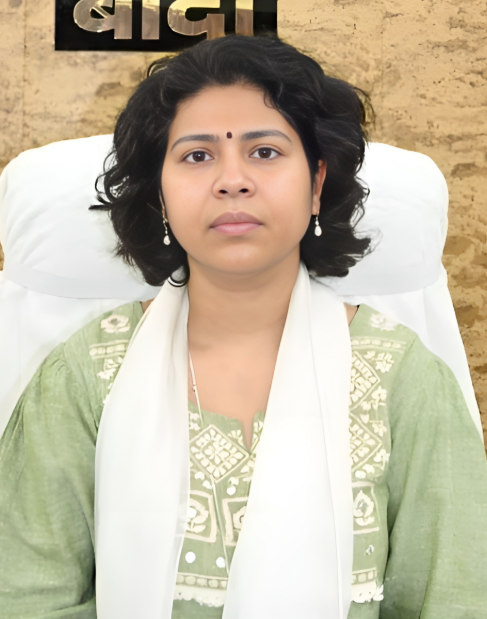
Her journey reflects courage, determination, and commitment to public service, making her an inspiration for thousands of UPSC aspirants across the country.
Early Life and Education
Durga Shakti Nagpal was born on 25 June 1985 in Agra, Uttar Pradesh. She comes from a disciplined family background rooted in public service. Her father served as a government officer and was honored with the President’s Medal for distinguished service.
She completed her engineering degree in Computer Engineering from Indira Gandhi Delhi Technical University in 2007. Determined to join the civil services, she prepared for the UPSC examination with dedication and secured All India Rank 20 in the Civil Services Examination 2009.
Interestingly, she had earlier qualified for the Indian Revenue Service (IRS) but chose to appear again for UPSC to achieve her dream of becoming an IAS officer.
Beginning of Administrative Career
Durga Nagpal started her administrative career in the Punjab cadre and worked in Mohali district administration. During her training period, she reportedly exposed irregularities in a land-related matter, showcasing her strong administrative ethics from the beginning.
After marrying fellow IAS officer Abhishek Singh, she moved to the Uttar Pradesh cadre and was posted as Sub-Divisional Magistrate (SDM) in Noida.
Fight Against Illegal Sand Mining
Durga Shakti Nagpal became nationally recognized during her tenure in Gautam Budh Nagar district, where she launched a major crackdown on illegal sand mining operations.
Illegal mining along the Yamuna and Hindon riverbanks had become a major environmental and administrative issue. Under her leadership:
- Multiple raids were conducted
- Illegal vehicles and machinery were seized
- FIRs were registered
- Several individuals involved in illegal mining were arrested
Her actions directly challenged the powerful “sand mafia,” a term used for organized groups involved in illegal mining activities.
The campaign highlighted the growing environmental concerns linked to illegal mining, including:
- Riverbank erosion
- Ecological imbalance
- Damage to flood protection systems
- Illegal exploitation of natural resources
Her fearless approach earned widespread appreciation from the public and civil society.
Suspension Controversy
In July 2013, Durga Shakti Nagpal was suspended by the Uttar Pradesh government over allegations related to demolition of an illegal wall connected to an under-construction religious structure in Kadalpur village near Jewar.
However, many supporters, civil servants, and public figures believed that the suspension was linked to her strict action against illegal mining operations rather than the stated administrative reason.
The incident sparked nationwide debate on:
- Political interference in administration
- Protection of honest officers
- Illegal mining networks
- Bureaucratic independence
Her suspension triggered strong reactions from:
- IAS associations
- Retired bureaucrats
- Environmental activists
- Political leaders
- Social media users across India
Eventually, her suspension was revoked, and she returned to administrative service.
Public Support and National Attention
The controversy transformed Durga Shakti Nagpal into a symbol of honest governance and administrative courage.
Several prominent personalities and former bureaucrats openly supported her actions. Public discussions around her case also highlighted the broader challenges faced by officers working against corruption and illegal activities.
Her story became an important example of the risks and pressures faced by civil servants attempting administrative reforms.
Later Administrative Roles
After the suspension controversy, Durga Shakti Nagpal continued serving in important administrative positions within Uttar Pradesh.
Over the years, she has held several key responsibilities and has worked in district administration, governance, and public welfare.
She later became District Magistrate and Collector of Banda and was subsequently posted as District Magistrate of Lakhimpur Kheri.
Her administrative journey reflects resilience and commitment despite political and professional challenges.
Personal Life
Durga Shakti Nagpal is married to Abhishek Singh, an IAS officer who later gained recognition in the entertainment industry as an actor.
The couple first met during UPSC preparation and later entered public service together.
Inspiration for UPSC Aspirants
Durga Shakti Nagpal’s journey continues to inspire civil services aspirants who dream of making a difference through public administration.
Her story teaches several important lessons:
- Courage in administration
- Integrity in public service
- Environmental responsibility
- Dedication toward law enforcement
- Resilience under pressure
For many young aspirants, she represents the ideal of an officer who prioritizes public interest over personal convenience.
Conclusion
Durga Shakti Nagpal remains one of the most talked-about IAS officers in modern India due to her bold administrative actions and stand against illegal mining.
Her career reflects the challenges honest officers may face while implementing the law, but also demonstrates how integrity and determination can inspire an entire generation of future civil servants.
Her journey continues to stand as a powerful example of fearless governance and responsible public administration in India.